Aug 2016
Digitally-Driven Detroitification
What happens to a city built around the assumption that someone is driving.
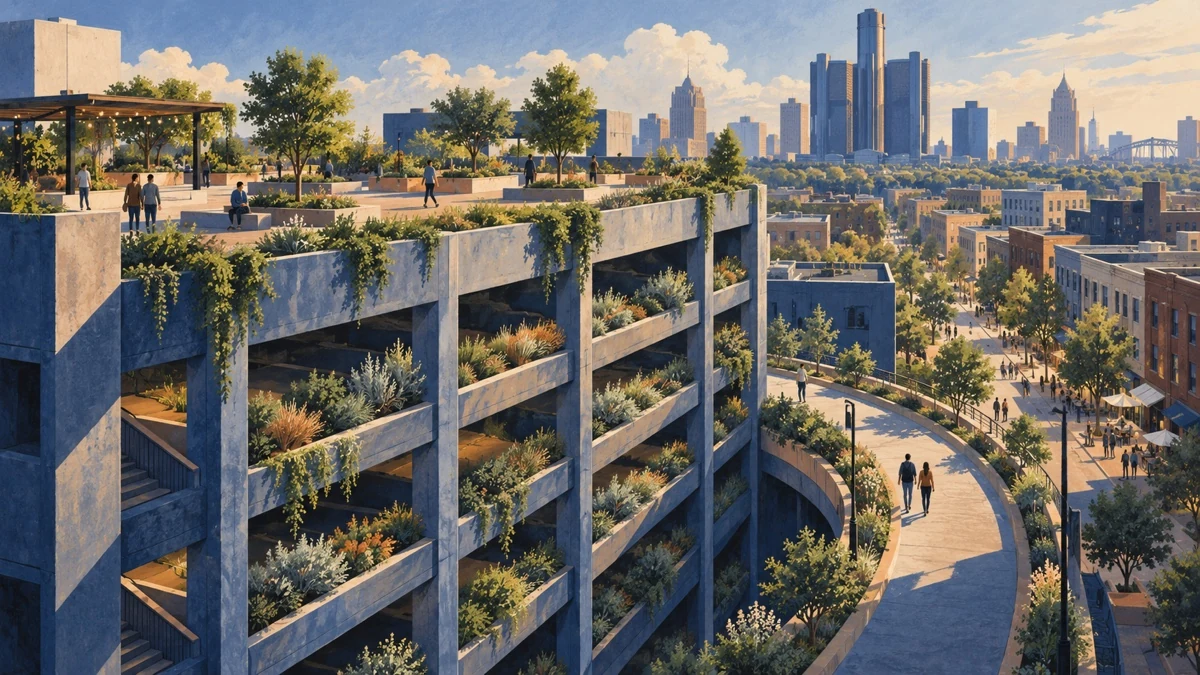
21st CENTURY TECH SWEEPS OUT 19th CENTURY INSTITUTIONS
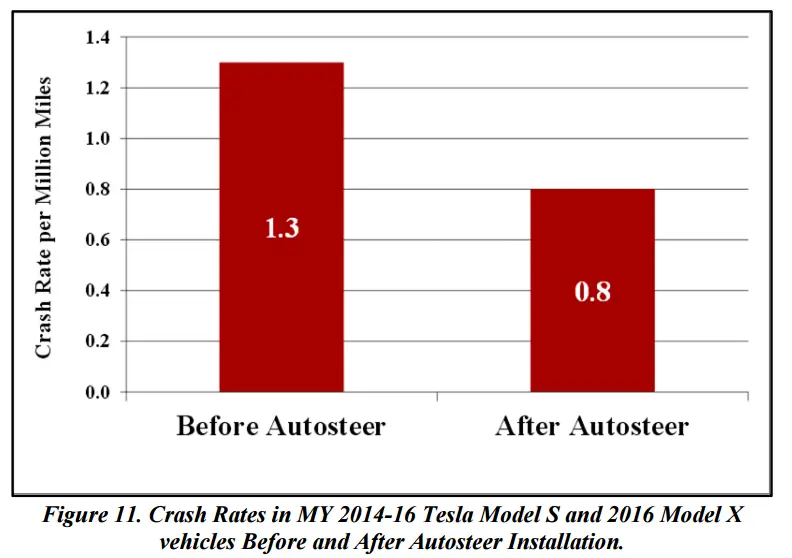
Editorial note (2026): the timing here ran ahead of reality. The specific ten-year forecasts overshot, most of all “perhaps 60 per cent fewer passenger road vehicles registered within 10 years”: autonomy arrived slower and messier than a 2016 vantage expected, and private car ownership is broadly intact. The structural argument is the part that holds, and it is what the diagram below traces: when a technology dissolves the fines, licences and enforcement that quietly fund a city, the revenue hole is real whatever the timetable. Read the dates as a direction of travel. One number in the text below has since been withdrawn: the 2017 finding (added to the essay after it was first published) that Autosteer cut Tesla crash rates by 40 per cent was later repudiated by the NHTSA itself, which said it had never assessed Autosteer’s effectiveness, and an independent re-analysis found the figure unsupported. It is left standing in the prose, with the bar chart beneath it, as what was reported at the time; the cascade diagram no longer repeats it. The oil forecast was also overtaken: prices did reverse, and Brent passed 100 dollars a barrel again in 2022.
Remember all those taxi driver riots in places like France a little while back, and how nations like Germany and Italy, and cities like Austin, banned Uber?
Lashing out against an irrepressible technological wave was never going to work.
Beyond the disruption to transport employment lie the knock-on effects elsewhere.
A substantial proportion (up to 25 per cent) of the revenue of many local and state governments derives from rent-seeking on parking fines and speeding tickets.
The traffic-court system is a vast income stream for local and state governments. Many lawyers and bail bondsmen will find their bread-and-butter work drying up alongside it.
In a world of autonomous vehicles where very few people drive, or even own a vehicle (we will have perhaps 60 per cent fewer passenger road vehicles registered within 10 years), how will cities replace this lost revenue? Especially at a time when truckers and taxi drivers are facing irrelevance.
I doubt whether many municipalities can adapt quickly enough to avoid substantial shortfalls, and the risk of Detroitification.
Autonomous vehicles will gut that income stream and every ancillary one tied to traffic enforcement: law enforcement personnel, attorneys, court staff, DMV employees, insurers. These institutions cannot disappear overnight, but the revenue to pay for them will. There will still be highway patrols, but increasingly they will be autonomous and airborne.
If we are lucky, failing local government services will be picked up by the private sector. Companies that step in, however, will need to be brave and cheeky enough to fend off state harassment.
Uber’s behaviour, and its embrace of exponential technology, will hasten this process worldwide.
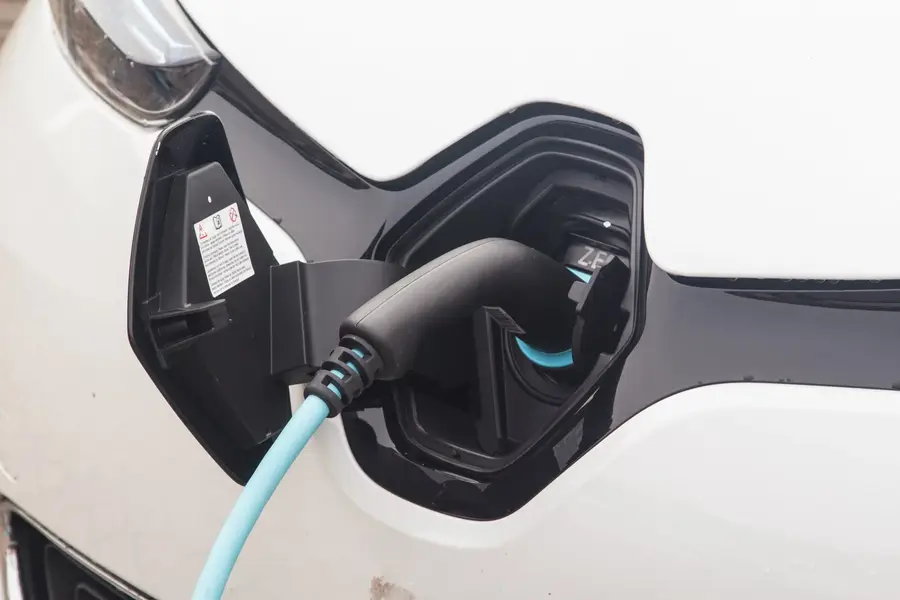
Moreover, the move away from internal combustion will lead to vehicles that last 3 to 5 times longer than before. Teslas, for example, can easily be driven for 200,000 miles with very little wear and tear. These same power trains can also be harnessed to provide power on the spot wherever it may be required (disasters, festivals, construction sites), taking us much more easily off grid. The grid itself will become decentralised and we will truly be able to ‘buy electrical power’ (and sell it) from just about anyone, to just about anyone, in an unbundled free energy exchange.
The oil crash of 2014 is unlikely to reverse. The old circa-2008 prices are unlikely to return, as PV and battery tech supersedes the need for oil in transportation. Oil is still needed for plastics and agriculture, but energy is where most of it goes. The geopolitical effects on OPEC nations, and on the hegemony of the Petrodollar, will be broad.
The design of the machines themselves will change. Vehicles can be built lighter without heavy engine and generator equipment. There is a lot less to go wrong when you remove the exploding petrochemicals and tubes, and the knock-on effects on servicing, maintenance, and total cost of ownership will be enormous.
Of course, most people soon will not own their own car; they will have a subscription for a car-based service plan, somewhat like their mobile phone today. This is likely to cause a consolidation whereby the tech companies become even more powerful, and have an ever-stronger gravity well in our lives. Every autonomous system is also a sensor and distributed intelligence package, so a fleet that provides rides en masse is also gathering data on a scale that pays off handsomely in the digital world.
Sectors that nobody thinks of as tech (agriculture, insurance) will see new exponential-tech players disrupt old incumbents with data and ML infrastructure, creating de facto monopolies in winner-takes-all ecosystems. The darker side: yesterday’s industry leaders face an unsustainable loss of relevance while still shouldering vast pension liabilities.
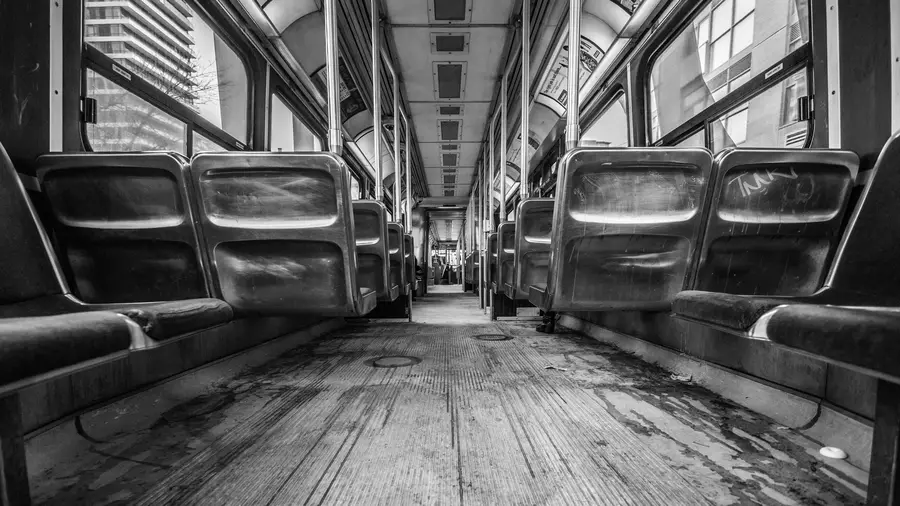
People without a subscription will simply get by with public transit and Uber. The meaning of ‘public transit’ itself is likely to shift: the trend may soon be an autonomous electric ‘Uber-bus’, provided by private industry and efficient enough to sidestep public subsidies. The old dumb transit systems will rot as people abandon them for safer, more comfortable, better-connected, and possibly cheaper alternatives, creating further shortfalls in public coffers. Infrastructure maintenance may be privatised to whichever company is willing to pay for upkeep and pass the cost on to end-consumers. Those costs themselves may drop, as much road maintenance will be automated and done at night.
The extra space (‘frunks’ and such) will make people expect to take more with them, and luggage will grow increasingly robotised: your suitcase trailing behind you of its own accord. Nobody has to watch the road, so the journey itself becomes free time. You can eat, read, work, just as you would on a plane or train.
We will experience a return to peacefulness in many cities that has not been enjoyed in over a century. The silence of electric vehicles, and the absence of fumes, combined with the almost-guaranteed safety of jaywalking, means that central reservations will be enjoyable spots for a picnic. Cities will no longer feel so broken up into blocks, since traffic flows can be so much more stochastic, adapting efficiently to the needs of the pedestrian. Waiting at crosswalks will take 50 per cent of the time or less. Biking will be more fun in the clean air, and vastly less dangerous.
The cleanness of the air will save billions of dollars in avoided health costs alone, and motor vehicle accidents are by far the leading cause of accidental deaths of young people and healthy adults. Accidental collisions with pedestrians, as well as drivers losing control of the vehicle, will become almost unheard of. The National Highway Traffic Safety Administration concluded that Tesla vehicles that have Autosteer enabled crash 40 per cent less frequently than those without, and this is just the early days of this kind of tech. Just as we might question today whether it’s still reasonable to ride in a 1950s Cadillac, soon a lack of machine-intelligence safety features will make contemporary cars seem like deathtraps.
Fewer road deaths will also mean fewer donor organs, at least until bioprinting of organs can replace the lost sources.
Traffic itself will be a lot more sparse. A lot more carpooling, a lot more sharing of rides, algorithms optimising vehicle journeys, and autonomous vehicles harmlessly tailgating each other. The shipping of goods can easily happen as silently in the dead of night as during the day. Warehousing will shift, becoming smaller and more local, with a single building serving the needs of dozens of customers.
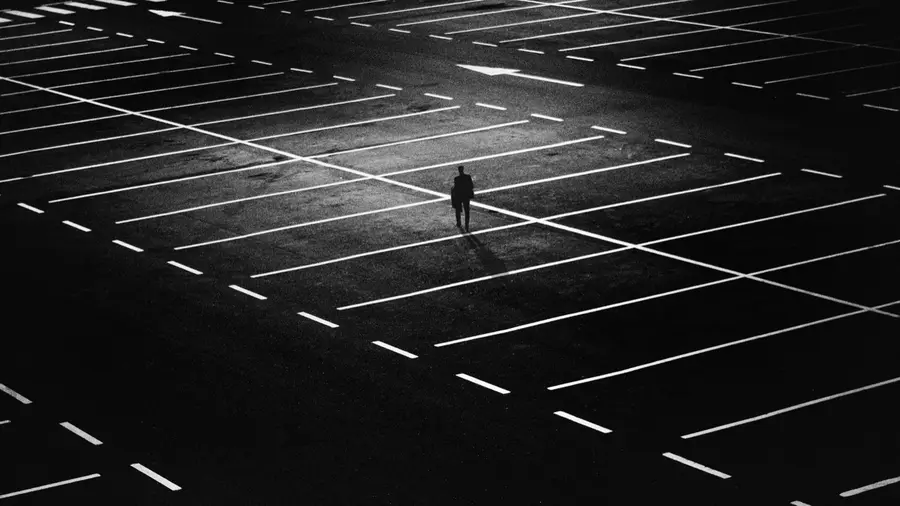
A fully autonomous fleet may cause us to repurpose the garages in our homes as loading bays for deliveries and casual callers, rather than a hutch for a personal vehicle. Vast acreage today used for parking lots will be repurposed also as ‘kiss and bye’ zones, or lots for new homes and parks. The primacy of having parking space with a domestic dwelling will naturally shift.
The driver’s licence as default ID will fade, along with the youthful rite of passage of acquiring one. Parents can helicopter less when machines ferry the younglings around safely and report their location. Heavy drinking, that other youthful pastime, may shift too: fewer DUI risks and no need for a designated driver means more scope for casual inebriation. Transit may increasingly be bundled into other products, included in the price of a day trip or a meal.
With less drunkenness and recklessness behind the wheel, the leading cause of accidental death among healthy people will decline sharply. When accidents do occur, autonomous ambulances will whisk patients to care at greater speed, other traffic clearing the way automatically. It will also be much harder to escape from a crime in a vehicle when every other car on the road is likely to narc on your heading at best, or collude to block you at worst.
Finally, the vehicle itself becomes a source of capital. A car you drive for hire is a job; a car that drives itself is an asset. While you are busy, your car can be ferrying others around and earning money: maybe for you, maybe for its own personal corporation. These new economics mean that for the first time, businesses can be wholly automated.
Ultimately, the transit revolution is going to greatly benefit our lives. But it will come at a cost to rent-seekers from the last automotive revolution.
Correspondence
To send Nell a private note, select any passage above and choose ✎ Note, or write about the essay as a whole. Only Nell and the editorial team see notes.
← All essays