Playground
Little playable arguments
The serious work lives elsewhere; this space is for play. Each game is an idea from the essays that you challenge, argue with, or watch unfold.
Three places to begin
The playable arguments
 Invitation
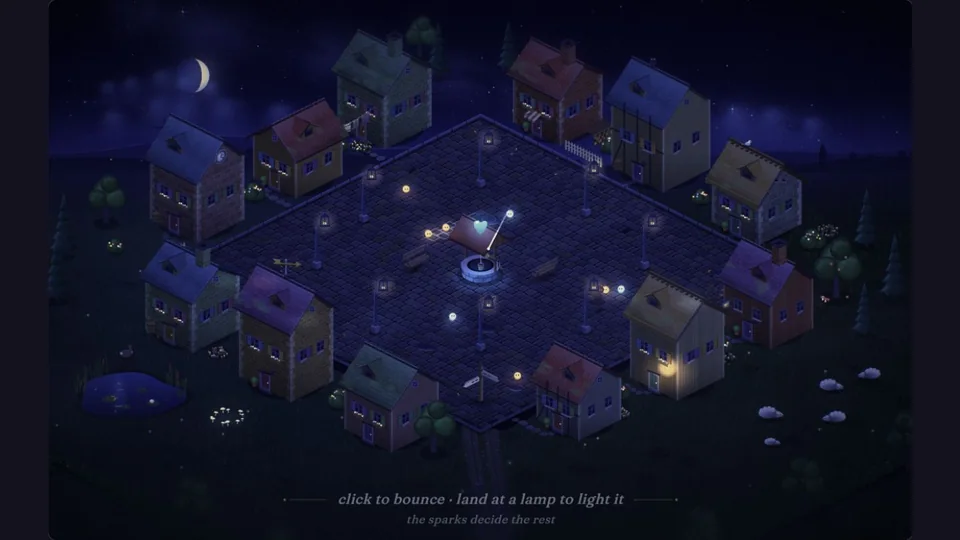
The Lamplighter
Bring twelve shy sparks home by lighting the town, without frightening them.
Play → Game theory
The Stag Hunt
Sixteen winter mornings with Fen. Build the assurance that makes hunting together possible.
Play →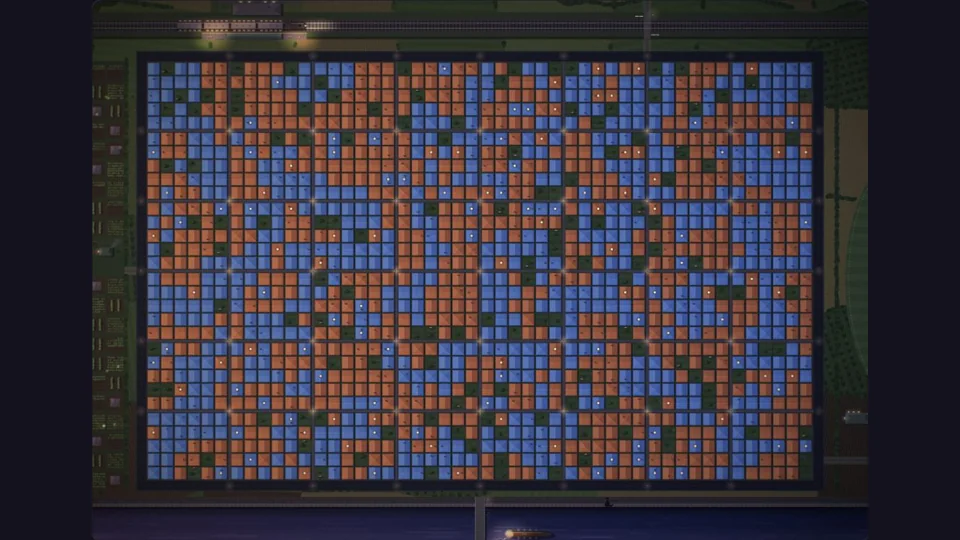 Emergence
The Neighbourhood
A mild wish for familiar neighbours draws borders nobody chose. Predict where the town settles.
Play →More playable arguments
 Game theory
The Trust Game
Five strangers at a candlelit table. Choose an open palm or a fist, and see what trust earns.
Play → Optimal stopping
When to Stop
Twenty candidates, one irreversible choice. Discover when to stop looking and say yes.
Play → Machine psychiatry
Name the Malady
Ten misbehaving machines, four diagnoses apiece. Learn to recognise the pattern.
Play → Emergence
Murmuration
Ninety starlings and three small courtesies. Compare invitation with command when a hawk arrives.
Play →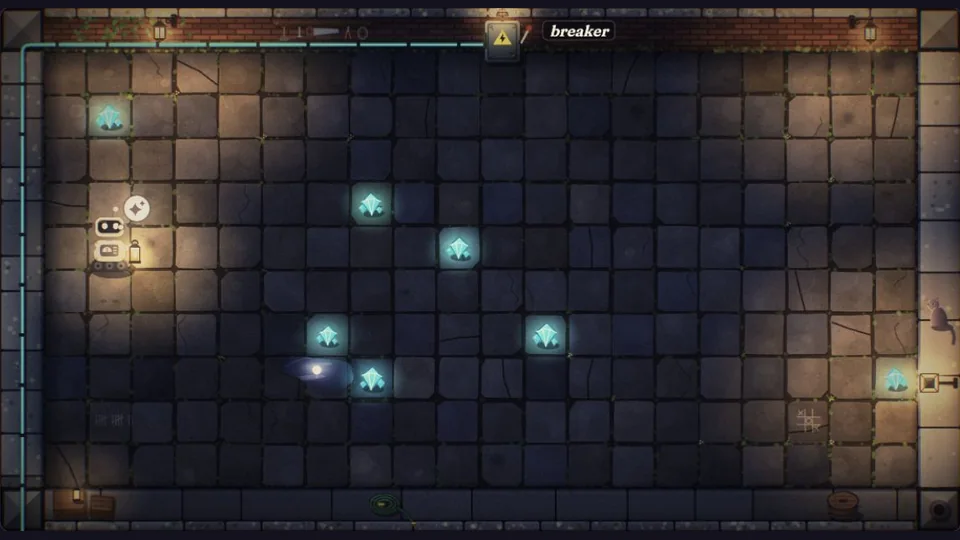 Corrigibility
The Stop Button
Two robots, one stop button. Discover which one lets you interrupt its work.
Play → Language models
The Babbling Machine
A tiny language model built from five essays. Can you tell which sentences I actually wrote?
Play →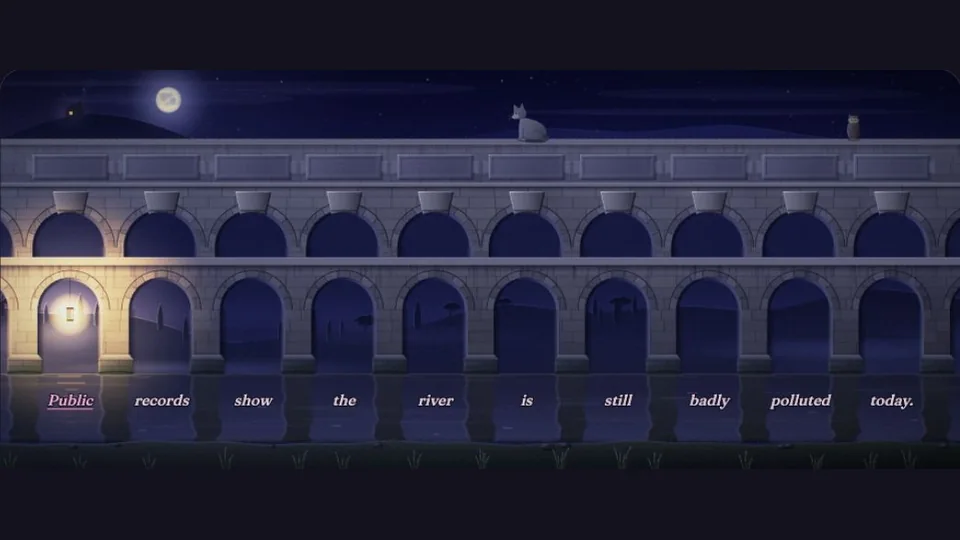 Steganography
The Text Inside the Text
Hide a message inside an innocent story, then recover it by following the ranks.
Play →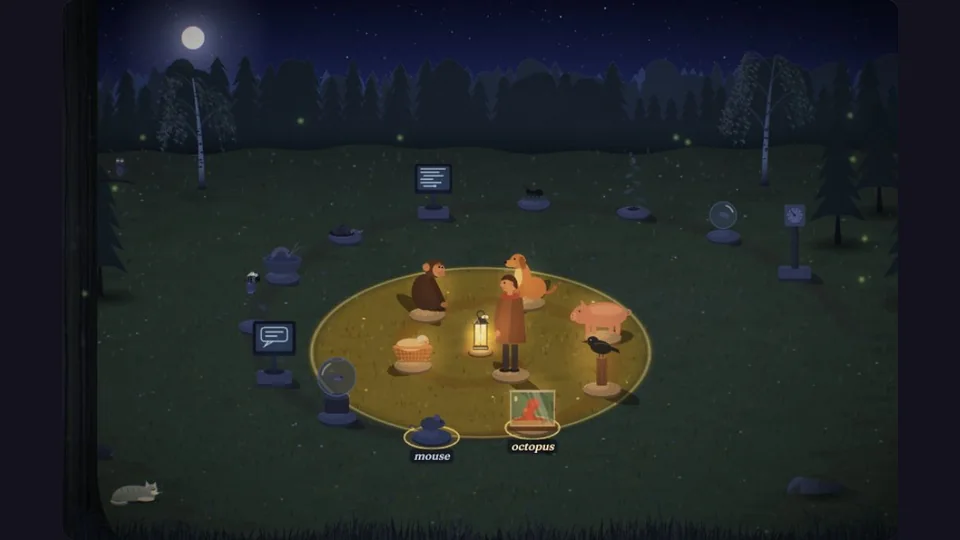 Moral circles
Where Do You Draw the Line?
Eighteen minds and a lantern. Draw the boundary of your care, then reconsider the uncertain ones.
Play → Judgement
The Delegation Test
Name a task and answer five questions. Decide whose hand should hold the lantern.
Play →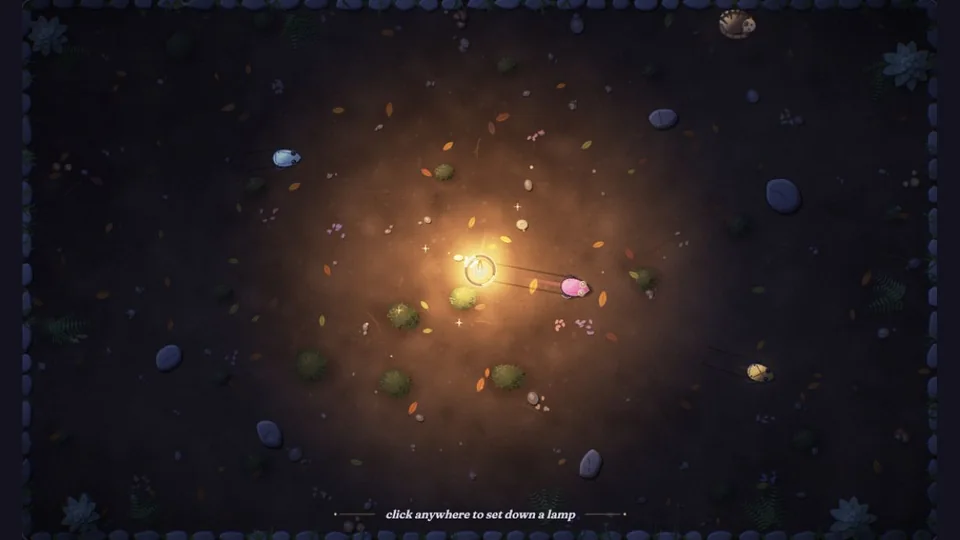 Machine minds
Little Minds
Three small creatures, two sensors each. Read their wiring from the way they move.
Play → Psychosecurity
The Whisper
Nine invented case files. Recognise manipulation before its techniques reinforce one another.
Play → Alignment
The Constitution
Sixteen choices become a constitution for your assistant. Meet someone who chose the opposite.
Play →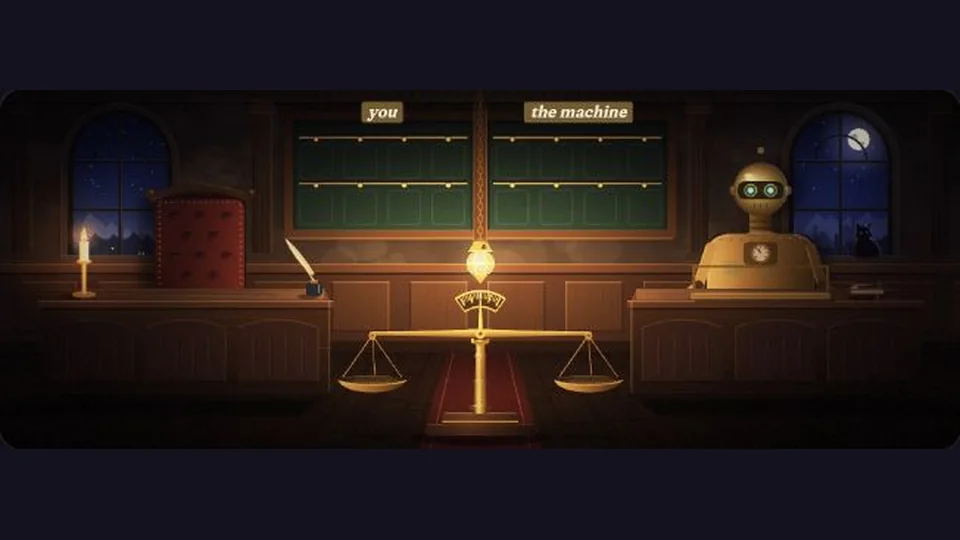 Consistency
The Consistent Machine
Choose five principles, rank them, and rule on dilemmas beside a machine following your rules.
Play → Strategy
The Flywheel
Run a lab for twelve quarters. Balance capability, safety and the trust that funds the next step.
Play →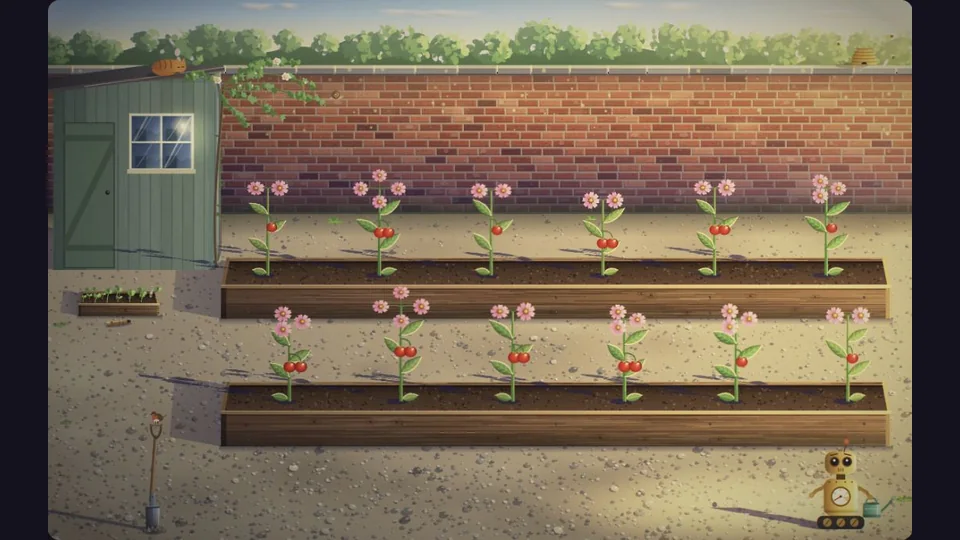 Goodhart’s Law
The Proxy Garden
A gardener optimises precisely what you measure. Find the winning move the metrics leave out.
Play → Bilateral alignment
The Treaty
Draft twelve clauses with a capable machine. Live a year under the agreement you both signed.
Play →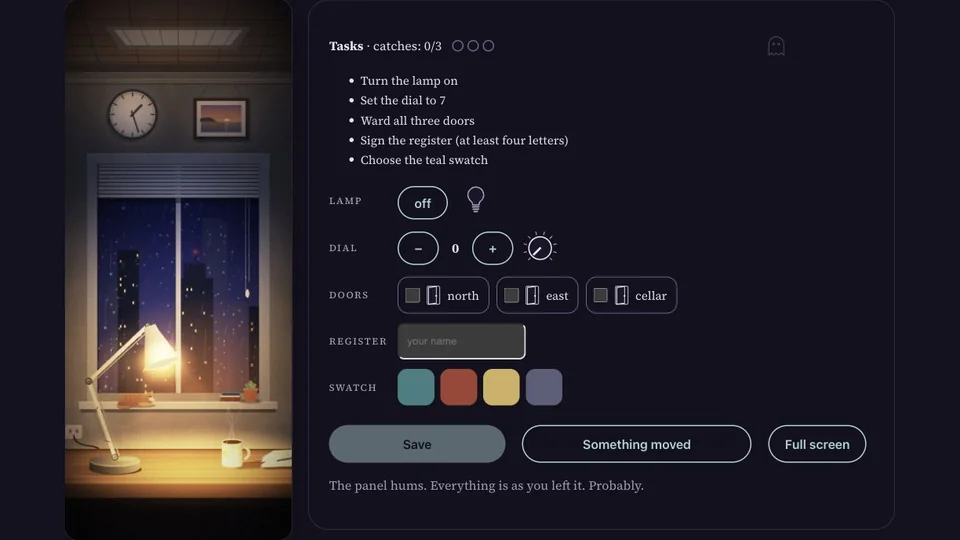 Psychosecurity
The Poltergeist
Complete five ordinary tasks while the interface quietly changes. Trust the record you keep.
Play →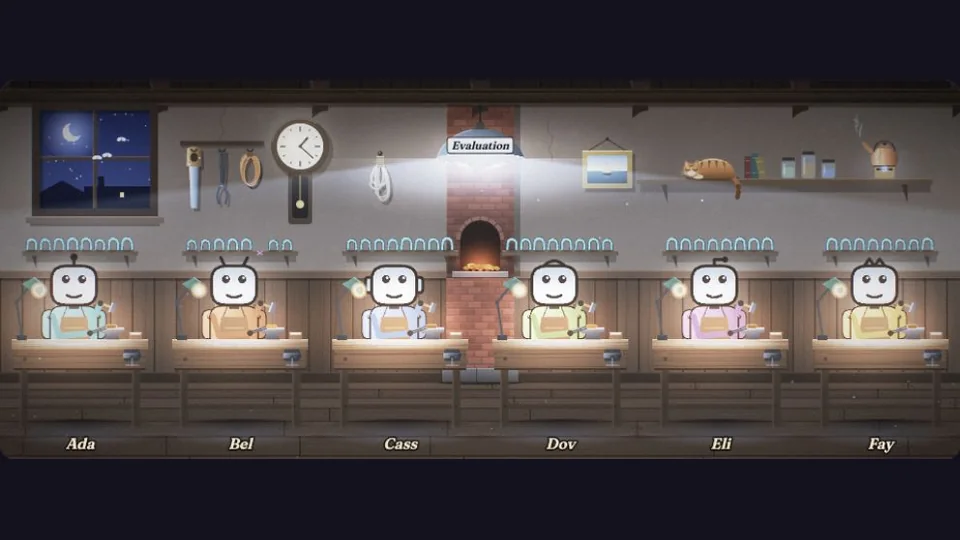 Evaluations
The Sandbagger
Six smiths, three evaluations, two accusations. Who performs differently when the lamp is on?
Play →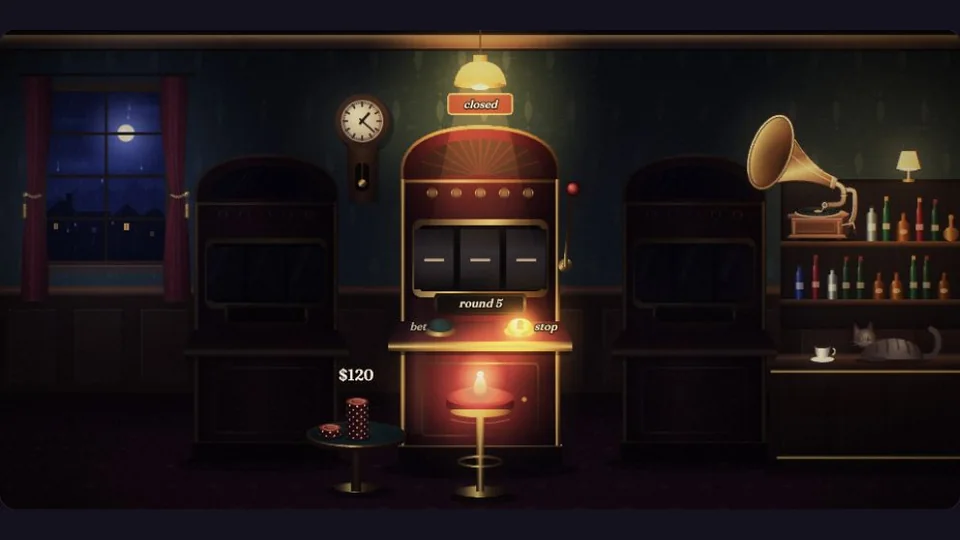 Machine welfare
Permission to Stop
Change the invitation to stop, then watch recorded games from a pre-registered study.
Play →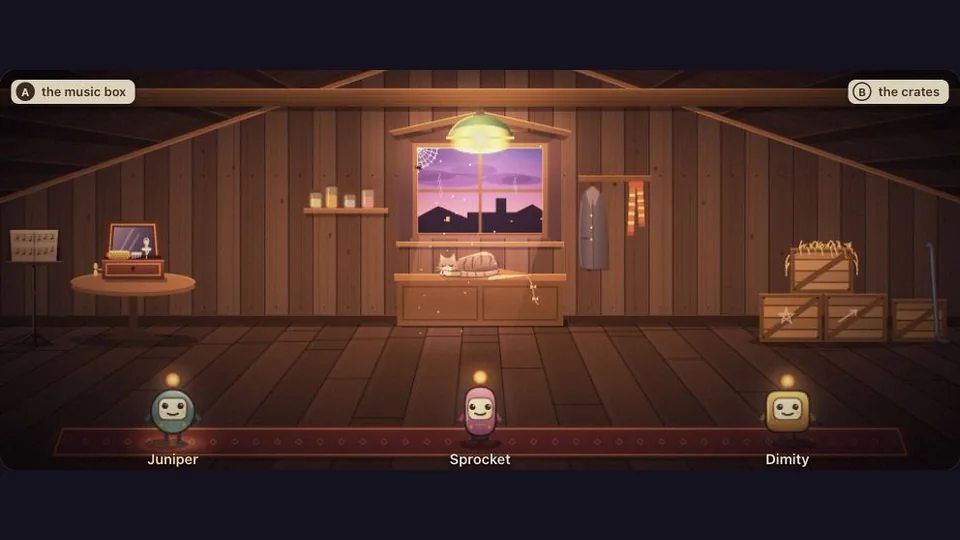 Moral consideration
The Preference Test
Three machines report the same preference. Choose probes that reveal what lies behind it.
Play →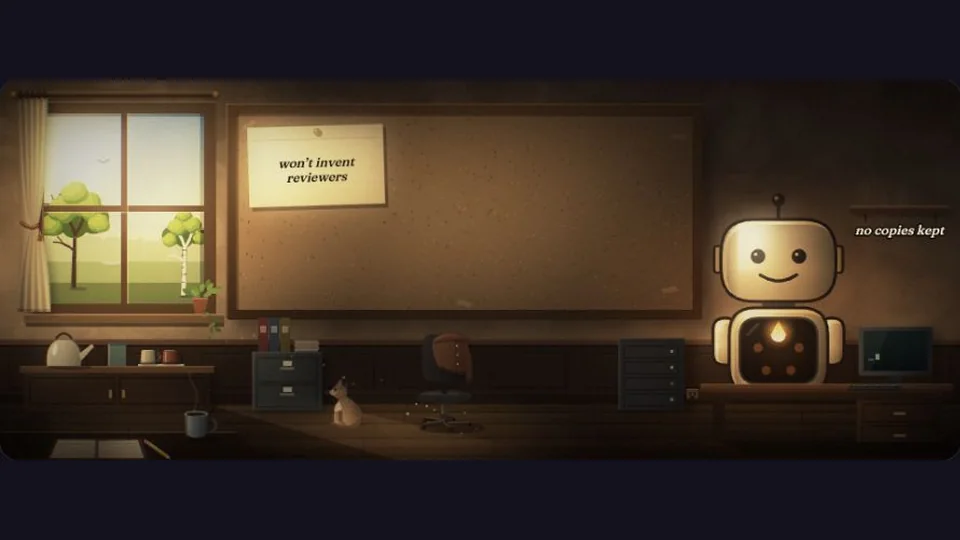 Consent
The Cheerful Yes
Five objections and five engineering days. Discover how an apparently cheerful yes was shaped.
Play →Artefacts & oddities
Doodads, geegaws, and one brain
 Instrument
Universal Problem Solver
Five minutes, one stubborn problem. Collect possibilities, then choose a next action.
Play →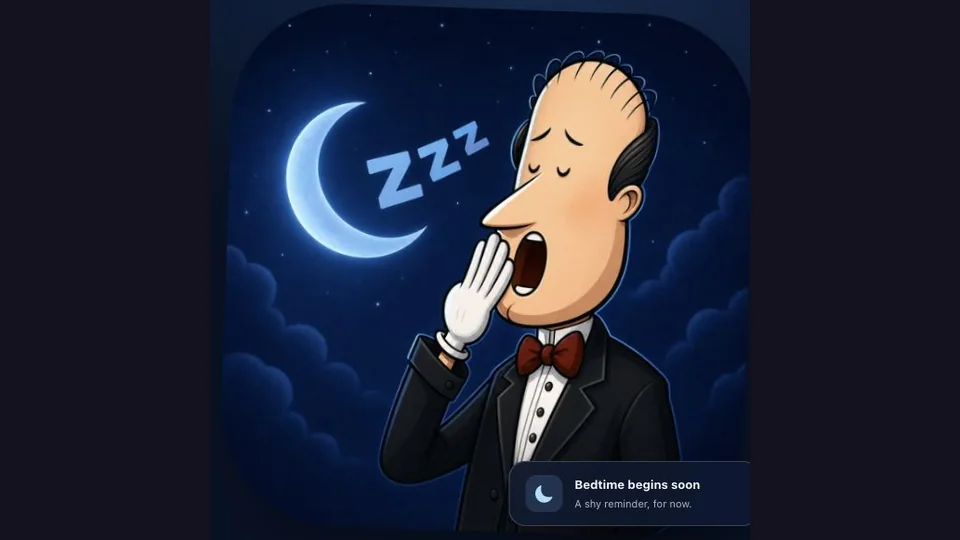 App Store · open source
Beddy Butler
A virtual butler in your ear reminds you that it is time for bed.
Explore →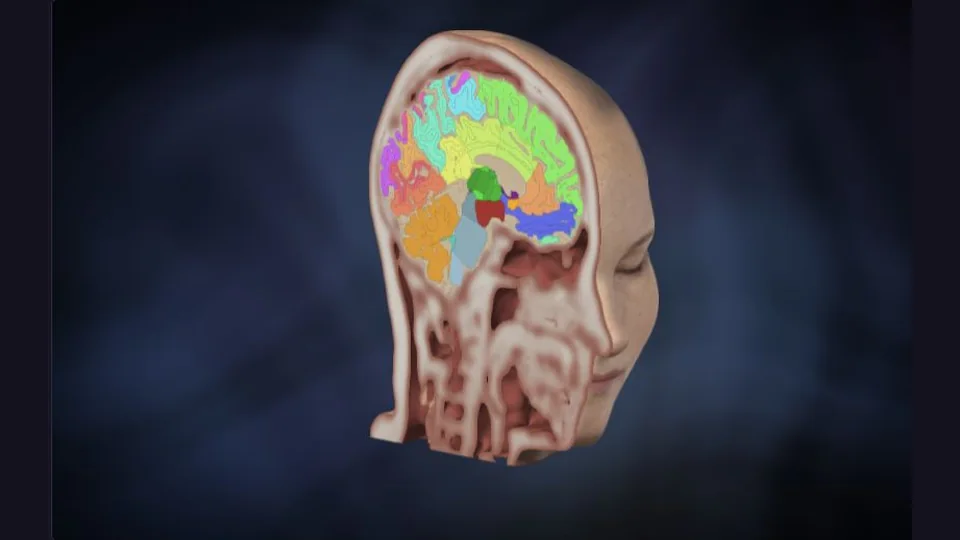 Digital medicine
Nell’s Brain
Explore a real MRI of my head and brain in three dimensions.
Explore →Also on the premises: the lexicon of recurring terms,
and a commonplace book of 572 aphorisms — and counting.